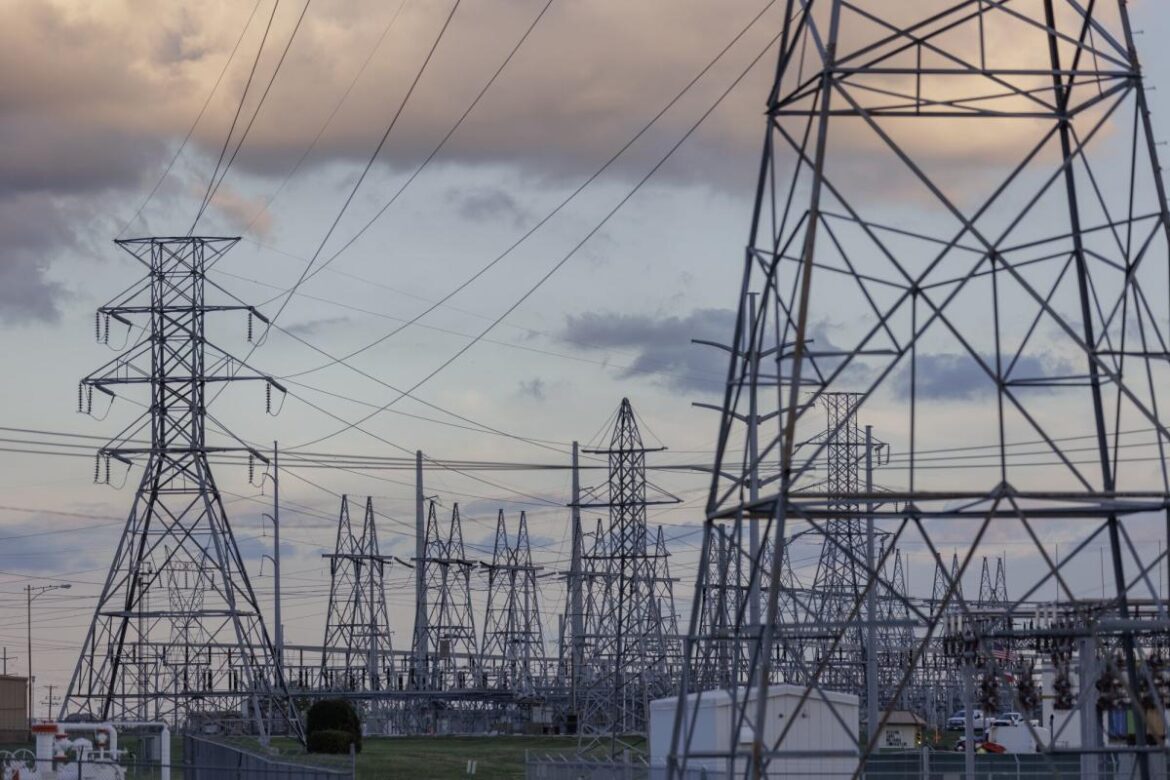
(Bloomberg) — As utilities race to keep ahead of rising electricity demand, developers have proposed a surge of new power plants across the US — and very few of them would run on fossil fuels.
Most Read from Bloomberg
The generating capacity of proposed plants seeking to connect to the power grid jumped nearly 90% in the last three years, according to a new study from Lawrence Berkeley National Laboratory. In 2023, the combined capacity of all those plants totaled almost 2,600 gigawatts. A single gigawatt of electricity can power 750,000 homes.
Read More: AI Demand for Data Centers Vastly Underestimated, CoreWeave Says
Solar power and large-scale batteries account for more than 80% of the proposed capacity, according to the study. In contrast, power plants that would burn natural gas or coal represent just 3%.
Still, the study cautions that historically, less than 20% of projects that apply for a grid connection actually get built.
After remaining flat for years, US electricity demand is expected to climb rapidly as electric vehicles and data centers proliferate. A BofA Global Research report Wednesday forecast demand would grow 15% by 2030, or roughly 70 gigawatts.
Most Read from Bloomberg Businessweek
©2024 Bloomberg L.P.







 On Wednesday, the Web3 fitness and move-to-earn platform Stepn unveiled a $30 million airdrop campaign, offering participants the chance to earn FSL points that can be exchanged for GMT tokens. Stepn Reveals $30M Airdrop, Precedes Big Brand Collaboration The Solana-based Stepn has begun the allocation of 100 million FSL points among its users, which they […]


 U.S. spot bitcoin exchange-traded funds (ETFs) experienced another round of net withdrawals, documenting a $19.4 million decrease. The holdings of GBTC diminished from 322,697.17 bitcoins to 318,451.70. U.S. Spot Bitcoin ETF Landscape: Outflows Continue to Persist On April 8, 2024, the U.S. spot bitcoin ETFs saw a substantial $223.8 million in outflows, and on April […]